

Whoa! I started using Solana wallets because of the speed and the vibe—fast confirmations, cheap fees, and a bustling DeFi scene. At first it felt like magic; transactions that used to take forever on other chains clear in seconds, which frankly changed my expectations. Initially I thought speed alone would be the selling point, but then I noticed UX and security mattered way more for day-to-day trust. My instinct said “this is good”, though actually I kept poking at permissions and seed management to make sure nothing weird was going on. I’m biased, because I like clean design, but that tastes into real safety decisions when you’re moving money around.
Really? Okay, so check this out—browser extension wallets are small programs that live in your browser and sign transactions for sites you visit. They act like a translator between web apps and your private keys, and sometimes they feel like a private bank in your toolbar. On one hand they’re convenient; on the other hand they concentrate risk in one place, which is the whole point that bugs me. Something felt off about granting broad permissions to dapps without a second thought—somethin’ that makes you pause and audit what you’re authorizing. It’s not all gloom; there are layers of mitigation and design choices that nudge people toward safer behavior.
Wow! I remember the first time I used a Solana wallet extension and watched token swaps happen in two seconds, it was addictive. The UI made it feel like a normal web interaction, which lowered the cognitive barrier for new users. But ease-of-use can mask dangerous defaults, and that’s where wallets need to earn trust through clear UX and honest prompts. Initially I thought permission prompts were sufficient, but deeper use exposed gaps in revocation flows and limited transaction previews. So I learned to treat every confirmation like a mini-audit rather than a habit click.
Seriously? The Phantom experience, for example, nails a lot of basics while keeping the interface approachable and familiar to browser wallet users. It auto-detects accounts and offers clear token displays, which makes day-to-day use less stressful for people juggling multiple assets. On the flip side, the more features a wallet piles on—NFT management, staking, cross-chain bridges—the more surface area there is for mistakes or social engineering. My gut said “I like it”, yet my analytic side kept asking for better token metadata verification and explicit transaction breakdowns. I’m not 100% sure the current state is perfect, but it’s trending the right way.
Hmm… here’s the thing. When you pick a browser wallet, you’re choosing a mental model for how you handle private keys and approvals. Some wallets keep keys in a local encrypted store; others lean into hardware integration for added assurances. The trade-offs are always user friction versus security posture, and there’s no single right answer for every user. For novices, auto-backups and simple seed phrases can be lifesavers; for power users, multi-sig and hardware signers are non-negotiable. My experience taught me to match wallet features to user goals, and to be humble about assumptions that everyone values the same things.
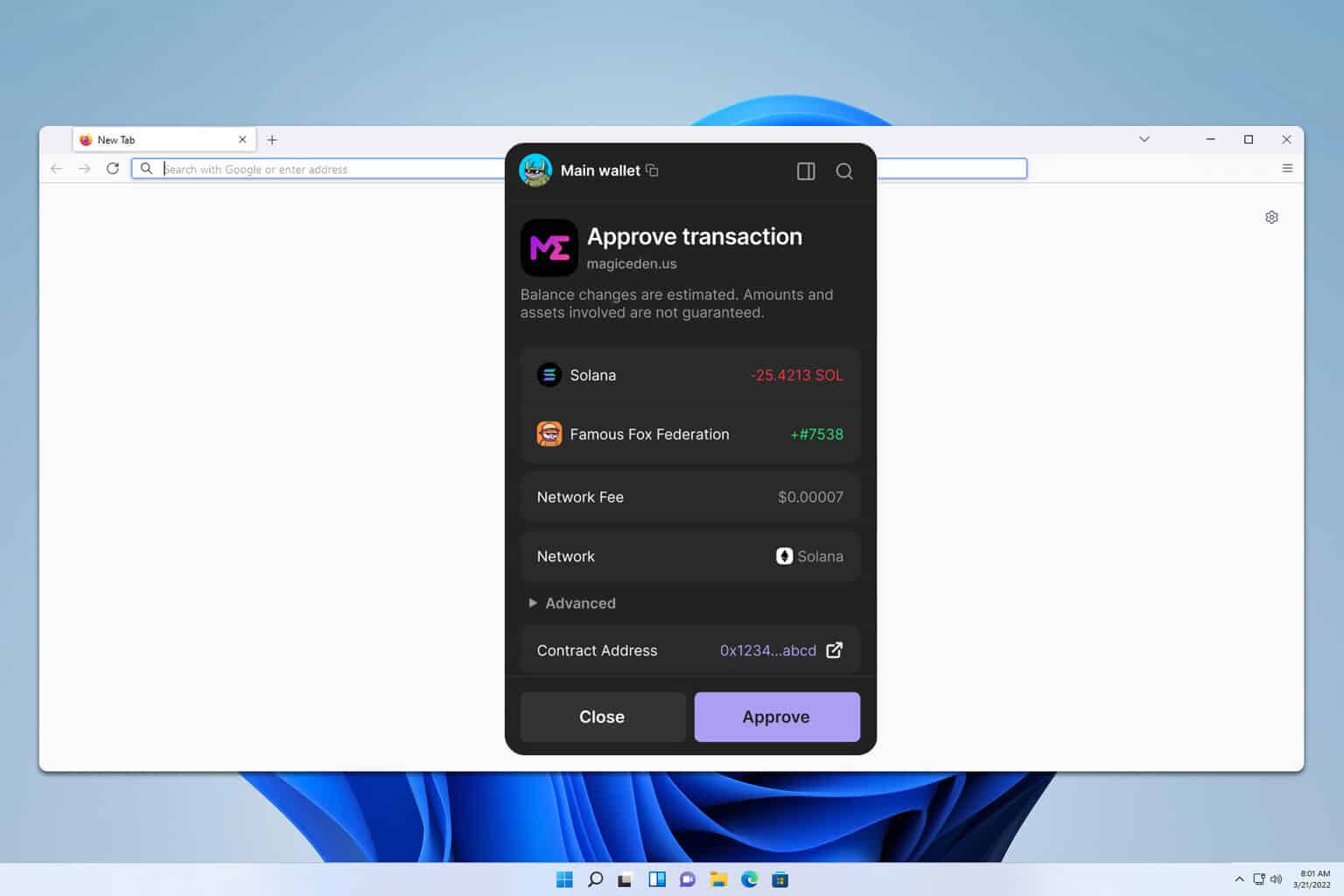
Whoa! Security audits help, but they don’t make software bulletproof in practice, because user behavior often undermines theoretical protections. A wallet can be audited and still be misused by people who paste seed phrases into phishing sites or blindly approve transactions. Education matters, yes, but design that prevents mistakes matters more—because people will always take shortcuts. On that note, I like wallets that show precise fee breakdowns and highlight unusual transaction instructions up front. Those micro-interactions reduce accidental exposure and sometimes save a lot of time and grief.
Really? Wallet extensions have a special set of risk vectors compared to mobile or hardware solutions, chiefly because they live inside a browser that loads untrusted scripts. A malicious website can attempt to trick you with crafted requests, or exploit browser vulnerabilities to exfiltrate data. That said, modern extensions run in sandboxes and have permission models that, if respected, limit blast radius. On one hand you can reduce risk by using browser profiles and turning off auto-fill; on the other hand such discipline is a pain for daily users, which is why I recommend a pragmatic balance. Use a dedicated profile for crypto, and keep a hardware wallet for big holdings—it’s a simple rule that catches most stupidity.
Wow! Integration with DeFi apps is the real test for any Solana wallet extension, because that’s where money flows and mistakes become costly. The better wallets provide clear hooks for developers and consistent signing UX so users know what they’re approving. But fragmentation in the ecosystem means not every dapp follows best practices, and wallets sometimes have to compensate with heuristics or warnings. I saw one instance where a token approval asked for infinite allowance and the wallet highlighted it—small, but very very important. Those little touches are often the difference between a recoverable hiccup and a headline-making loss.
Hmm… I’m frank about my own workflow: I use a browser extension for daily trades and NFTs, and a hardware-signed account for large stakes and bridge operations. Initially I thought a single wallet could handle everything, but years of tinkering taught me separation of duties is simpler and safer. This setup feels like carrying two wallets—one for coffee money, one for the vault—except digital. It adds a tiny bit of friction, sure, but I sleep better knowing big moves require a physical device and a deliberate step. Honestly, that small pain is worth it.
Whoa! There’s a trust layer that goes beyond code: the team, community, support responsiveness, and transparency when things break. I judge wallets not just by features but by how they handle incidents and communicate with users. On one occasion a UI bug created confusing fee labels; rapid, clear communication from the team calmed users and prevented panic. That mattered more to me than the bug itself, because it signaled a culture that values users. I’m biased toward teams that adopt a “tell-first” posture rather than radio silence.
Really? When recommending a wallet to friends in the US, I tend to focus on practical next steps: back up seed phrases, use dedicated browser profiles, enable hardware signing where possible, and check every transaction line. Some folks skip these steps because they seem technical, but I’d rather they take five extra seconds to confirm than regret a mistake later. There’s also the social layer—never share screenshots of your seed or approvals in chats, and be wary of unsolicited help. It’s common-sense, yet still the vector for most compromises I see repeatedly.
Whoa! If you’re exploring Phantom specifically, I’ve found it balances usability with sensible defaults, and it integrates nicely with the Solana ecosystem. It tends to keep transaction prompts readable and adds helpful context, which lowers mistakes for newcomers. I linked to the official extension where I usually recommend folks start—it’s a practical place to get comfortable with Solana wallets. Check it out at phantom and judge the UX for yourself, because hands-on experience beats abstract descriptions. Take your time, and play with small amounts first.
Hmm… wallet backups remain the Achilles’ heel for many users, because seed phrases are clumsy and easily mishandled. I’ve seen people photograph them, store them in cloud notes, or paste them into emails—which always ends badly. One practical trick I use is paper backups split across locations and a mnemonic phrase manager that supports encrypted local storage, though it’s not perfect. There’s no magic cure; it’s risk management that accepts trade-offs between convenience and resilience. My recommendation: make backups redundant, and test recovery before moving meaningful funds.
Whoa! Another area that gets little attention is token metadata and counterfeit tokens—an increasingly noisy problem in DeFi and NFTs. Wallets that fetch and display verified token info help, but verification itself is a social process that requires maintainers and community trust. On one hand, automated checks catch obvious fakes; on the other hand some scams still slip through when attackers mirror legitimate contracts. I’m not 100% sure any detection system will be perfect, but wallets that surface provenance and warn about unverified assets reduce the chance of accidental approvals. It’s a modest defense that pays off more often than you’d think.
Really? For developers and power users, the extension API design matters because small API quirks can enable or prevent UX traps. Thoughtful APIs allow wallets to present human-readable transaction explanations, which leads to better-informed approvals. Recently, some dapps have started building clearer UX patterns for approvals, but adoption is uneven and that’s frustrating. On the technical side, wallets that support typed transaction displays and enriched metadata enable better user decisions, which is the whole point. If you’re building a dapp, design so that reviewers can easily understand intent—your users will thank you.
Whoa! Privacy is another subtle vector: extension wallets can leak activity patterns if you reuse addresses widely or connect indiscriminately across sites. I often recommend address hygiene—use different accounts for different purposes to compartmentalize risk and limit linkability. It’s not perfect anonymity, but it reduces the scale of damage if a single account is compromised. Also remember that browser fingerprints and extensions interplay, so consider private browsing profiles for sensitive ops. These are practical, imperfect steps that collectively improve your posture.
Hmm… regulations and custodial options are part of the conversation, especially as more US users enter crypto. Custodial services simplify recovery but trade off self-sovereignty, whereas browser wallets preserve control but increase individual responsibility. On one hand regulations can add consumer protections; on the other hand they can push innovation into more opaque corners. Personally, I prefer non-custodial tools for independence, but I recognize custodial services have a role for people seeking ease and consumer safeguards. The right choice depends on your tolerance for control versus convenience.
Wow! To wrap up—well, not a tidy summary because neat endings are boring—choose a Solana browser wallet with an eye to both usability and security, match features to your needs, and adopt simple habits that prevent the most common mistakes. I’m biased, but if you treat your wallet like money in your pocket you’ll act with more care, and that reduces regrets. Stay curious, test with small amounts, and upgrade your setup as you learn more; you’ll make smarter decisions over time. This stuff evolves quickly, and honestly I’m excited to see better UX and stronger safety patterns land in wallets soon.
FAQ
How do I recover my wallet if I lose my device?
Use the seed phrase or recovery phrase you wrote down when you set up the extension; import it into a compatible wallet on a new device and then re-establish any hardware bindings as needed. If you didn’t back up the phrase, recovery may be impossible, so test your backups immediately after creating them.
Are browser extensions safe for large holdings?
They can be part of a safe setup, but for significant holdings you should combine an extension for everyday use with a hardware wallet or cold storage for large balances. Treat the extension as your “hot” wallet and the hardware device as your “vault”.
What should I do if a dapp asks for infinite token approval?
Avoid granting infinite approvals; instead set a specific allowance or use wallets that support one-time approvals and explicit revocation. If you already approved unlimited access, revoke it immediately using on-chain tools or the wallet’s management features.